

Commercial Projects Managed From Permits to Occupancy
Commercial construction in Metairie for businesses requiring a single contractor to manage permitting, structural work, and occupancy inspections
Commercial construction in the greater New Orleans area involves occupancy classifications, municipal permitting timelines, and Louisiana commercial building code requirements that vary depending on the property type, its intended use, and its location. Show-Me Quality Construction handles commercial new builds, renovations, and tenant build-outs throughout the region—from small storefronts to multi-tenant facilities—managing permitting, general contracting, material sourcing, and scheduling as a single coordinated project. Business owners who have attempted commercial construction using separately contracted designers, permit expediters, and specialty subcontractors frequently encounter the same problem: each party works to its own schedule, and no one is responsible for the gaps between them. Show-Me Quality Construction operates as the single point of accountability throughout.
Projects begin with a scoping consultation to define the program, timeline, and budget. The builder works with the client to finalize plans and obtains all required permits—commercial occupancy permits, building permits, and trade permits for mechanical, electrical, and plumbing systems—before any structural work begins. On site, crew executes structural work, installs building systems, and completes interior finishes while the builder manages coordination with inspectors and communicates directly with the client on progress, schedule changes, and any conditions that require a scope decision. Show-Me Quality Construction has operated in Louisiana since 2006 and has held its contractor's license since 2007, giving the business direct familiarity with the commercial permit process and inspection standards applied across the region's jurisdictions.
To discuss your commercial project scope, timeline, and site requirements, request a consultation with Show-Me Quality Construction before committing to a design or lease configuration.
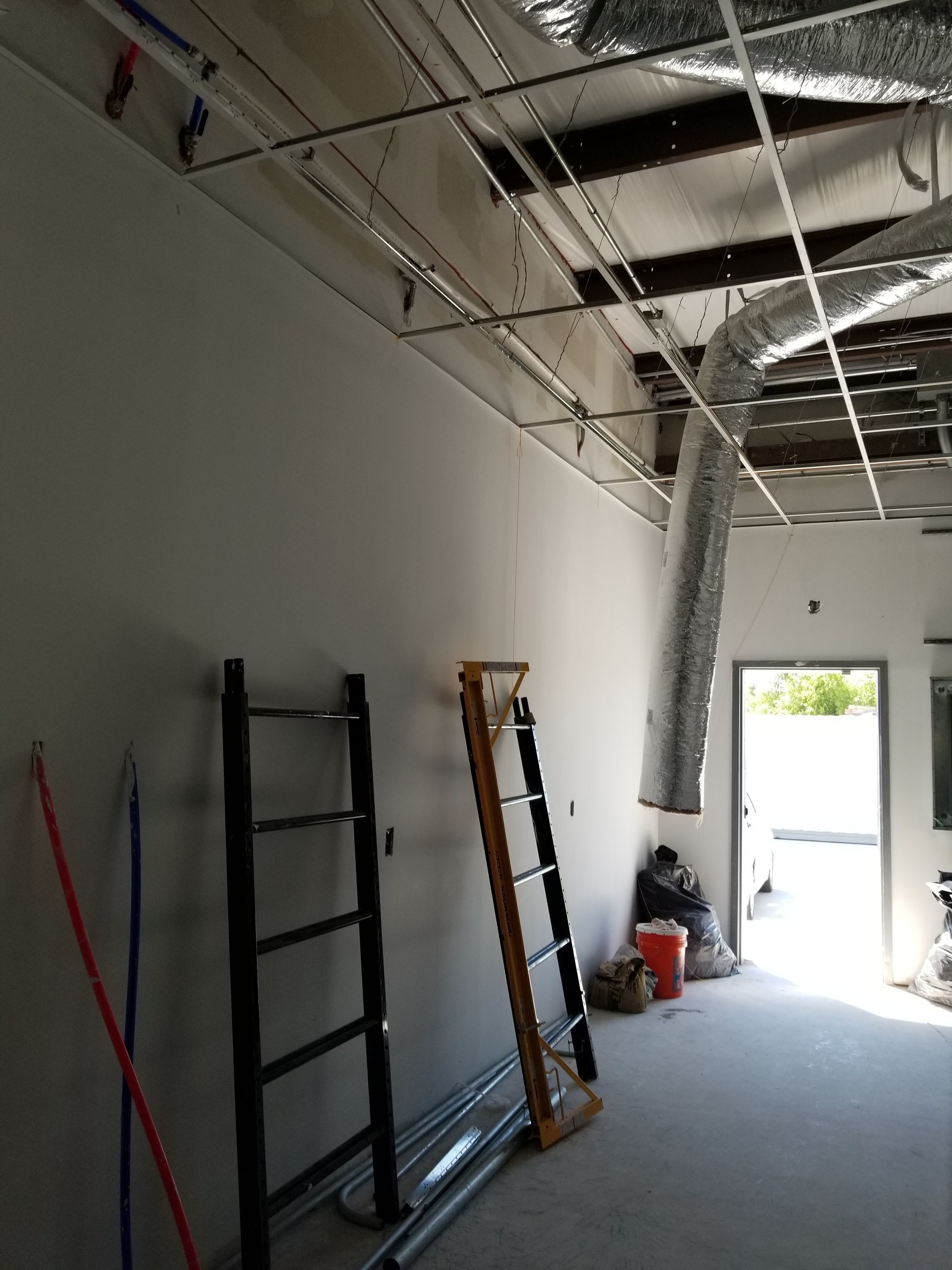
How Commercial Construction Is Done Correctly
Commercial occupancy classifications determine which code provisions govern a project, and those classifications are assigned based on how the space will actually be used—not how it is labeled on a lease or deed. A retail storefront, a restaurant, a medical office, and a multi-tenant warehouse each carry different fire-rating requirements, egress specifications, mechanical ventilation standards, and accessibility compliance obligations. Scoping a commercial project correctly means confirming the occupancy classification before design drawings are developed, so the structural, mechanical, and finish specifications in the permit set reflect what the inspector will apply during the review and final walkthrough. Getting that classification wrong produces a set of drawings that requires revision after submission—a delay that affects both the permit timeline and the construction start.
After construction is complete and the certificate of occupancy is issued, the business occupying the space operates in a facility where all systems have been inspected and approved at required intervals—not simply installed and assumed compliant. That documented compliance matters for commercial insurance qualification, for satisfying lease conditions that require permitted build-outs, and for any future sale or re-tenanting of the space. The finished product is a commercial space with a clear inspection record, not an unanswered question about what is inside the walls.
The builder manages changes and field conditions that arise during construction—material lead-time changes, structural discoveries during renovation, or scope additions requested by the client—without passing those coordination tasks back to the business owner. Commercial projects in areas like Belle Chasse may involve parish-level permitting separate from municipal jurisdiction, and understanding which authority governs a specific parcel before permit submission prevents misdirected applications and the delays they cause.
What Business Owners Ask About the Work
The questions below address how commercial construction projects are structured, permitted, and executed, with specific attention to the regulatory considerations that apply in Louisiana commercial work.
How does the builder determine which permits are required before construction begins?
The occupancy classification, structural scope, and planned systems—electrical, plumbing, mechanical, fire suppression—each trigger specific permit requirements; the builder reviews the project scope and the governing jurisdiction's requirements before permit applications are submitted so all required approvals are obtained before any work begins.
What happens when a renovation reveals conditions inside existing walls that affect the project scope?
The builder documents the condition, identifies whether it triggers a code compliance requirement, and presents the options to the client before proceeding—work does not advance past the discovery point until the client has approved the adjusted scope and understands what addressing it involves.
How are commercial inspections coordinated so they do not delay the construction schedule?
Inspections at rough-in, framing, and system stages are scheduled in the sequence required by the permit, with the crew's work planned to reach each inspection-ready milestone on a schedule that keeps the inspection wait from sitting inside an otherwise unoccupied phase of construction.
What distinguishes a properly scoped commercial build-out from one that creates compliance problems after occupancy?
A build-out scoped to the actual occupancy classification, with trade permits pulled and inspections completed at required stages, produces a certificate of occupancy that reflects the space as it will be used—a build-out completed without permits or to the wrong occupancy standard produces a space that may require costly corrections before it can be legally occupied.
How does the builder handle material sourcing when commercial lead times affect the construction schedule?
Material selections with long lead times are identified during the design phase and ordered before construction begins so the installation schedule is not held by delivery delays; the builder tracks material status as part of the overall project schedule rather than treating procurement as a separate task.
Show-Me Quality Construction also handles commercial construction in Kenner, Marrero, Estelle, Destrehan, and Luling. To begin planning a commercial project, request a scoping consultation where the site conditions, occupancy requirements, and permitting process for your specific location can be reviewed before any design work is commissioned.
