

Site Cleared and Ready for What Comes Next
Demolition in Metairie for properties requiring selective removal, full teardown, or site preparation before construction begins
A significant portion of Metairie's residential and commercial building stock dates to the postwar boom years—properties built between the late 1940s and early 1970s using construction methods and material selections that were standard at the time but now require careful handling during teardown. Show-Me Quality Construction manages demolition for homeowners and developers working with exactly that kind of property: older structures where wall configurations, utility placements, and material compositions all affect how the teardown is sequenced. The crew operates with the next phase of work already in view, coordinating demolition directly with the construction phases that follow.
Before any work begins on site, the scope is defined during project planning—whether the job calls for selective interior removal, such as non-load-bearing walls or outdated mechanical systems, a full structural teardown, or complete site clearing for a new build. Permits are obtained and utility disconnections confirmed before the crew starts, which matters on older Metairie lots where gas, water, and electrical service lines may not follow the layouts a newer property would have. Salvageable materials are identified and either preserved or documented before the remainder of the structure is brought down systematically, debris is hauled away, and the site is prepared for the next trade to move in.
To discuss the scope of a demolition project and what site preparation will be required before construction can begin, contact Show-Me Quality Construction directly at (504) 470-2655.
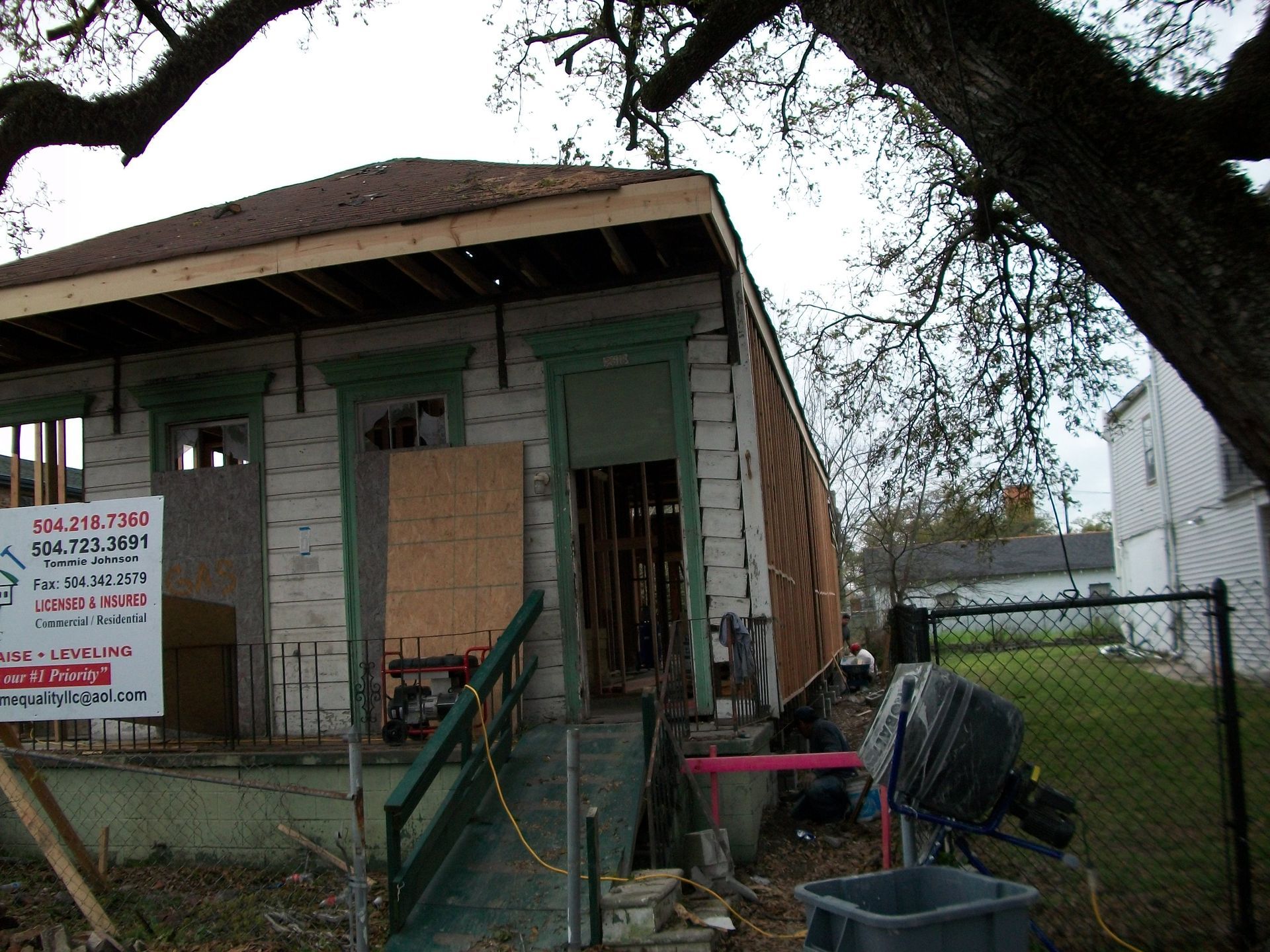
How Demolition Scope Gets Defined Before the First Wall Comes Down
Demolition is not a single task—it is a sequence of decisions that determines how cleanly the construction phase can start. The process begins with a review of what is being removed and why: selective teardown requires identifying which structural elements must stay, which utility lines are live, and whether any materials require specific handling under Louisiana environmental regulations before the crew proceeds. Full structure removal involves its own sequencing, starting with interior stripping before exterior walls and roofing are addressed, so debris can be managed in a controlled order rather than creating access and safety complications mid-job.
Once the structure is down and debris is cleared, what you see is a clean, level site with no material piles or residual framing left behind—ready for foundation work, framing, or whatever the next construction phase requires without delays caused by incomplete clearance. Show-Me Quality Construction has operated in Louisiana since 2006 and has been licensed since 2007, which means the permitting process, utility coordination requirements, and environmental compliance steps specific to this region are handled as part of standard project management rather than treated as afterthoughts.
The demolition scope also accounts for what is being built next. A renovation that preserves the existing foundation requires different precision at the teardown stage than a full rebuild on a cleared lot. Identifying those boundaries during planning—before the crew arrives—prevents damage to elements that need to remain and keeps the subsequent construction timeline intact.
What Property Owners Ask About Demolition Work
These questions address how demolition is planned and executed, including what happens at each stage of the process and how the condition of the existing structure affects the approach.
What has to happen before a demolition crew can begin work on a property?
Permits must be pulled and all utility services—gas, water, and electrical—must be formally disconnected and confirmed clear before any structural removal starts; on older Metairie properties, this often involves coordinating with multiple utility providers whose infrastructure may not be mapped to current standards.
How is selective demolition different from a full teardown in terms of how the work is sequenced?
Selective demolition requires marking and protecting the elements that stay—load-bearing walls, active utility runs, intact flooring that feeds adjacent rooms—before any removal begins, whereas full teardown follows a top-down sequence that clears each layer systematically without the same preservation constraints.
What happens to salvageable materials during a demolition project?
Materials with reuse or resale value are identified and removed intact before the main teardown begins, and their removal is documented as part of the project record, which matters when the client wants to repurpose items like original hardwood framing or period fixtures.
How does the age and construction method of a building affect how demolition is approached?
Postwar construction common in the greater New Orleans area often used materials and fastening methods that behave differently during removal than modern construction—framing connections, plaster-over-lath wall systems, and embedded utility runs all influence the sequence and tools used to bring the structure down cleanly.
What does a properly prepared demolition site look like before the next construction phase begins?
The site should be level, free of debris and residual framing, with no underground obstructions left that weren't documented, so the foundation crew or framing crew can begin without additional clearing work.
Show-Me Quality Construction handles demolition as an integrated part of the larger project, which means the site handoff to the next construction phase is planned from the start rather than addressed after the teardown is complete. Show-Me Quality Construction also performs demolition work in Kenner, Marrero, Estelle, Destrehan, and Luling. To review the scope of your demolition project and what preparation your site will require, call (504) 470-2655.
