

Renovation Work That Runs as One Project
Residential renovations in Metairie for homeowners dealing with outdated layouts, failing finishes, or spaces that no longer function as needed
A significant portion of Metairie's residential housing stock was built between the 1950s and 1980s, when floor plan conventions, kitchen layouts, and bathroom configurations reflected standards that most homeowners now find restrictive. Older slab-on-grade construction common to that era means plumbing relocations and electrical updates require careful sequencing that a single contractor managing all trades handles more cleanly than multiple independent vendors. Show-Me Quality Construction, LLC coordinates residential renovations in Metairie with one point of contact overseeing design decisions, permit applications where structural changes are involved, materials sourcing, and construction from start to completion.
An on-site consultation establishes the scope: which areas need work, what materials and finishes are desired, what structural changes are involved, and what the realistic budget and timeline look like. If the renovation involves wall removal, electrical panel upgrades, or plumbing relocation, permit applications are filed before work begins. Materials and labor are sourced and managed by Show-Me Quality Construction, so the homeowner is not tracking down subcontractors or chasing deliveries independently.
Schedule an on-site consultation to review the areas you want updated and establish a project plan based on the current condition of your home.
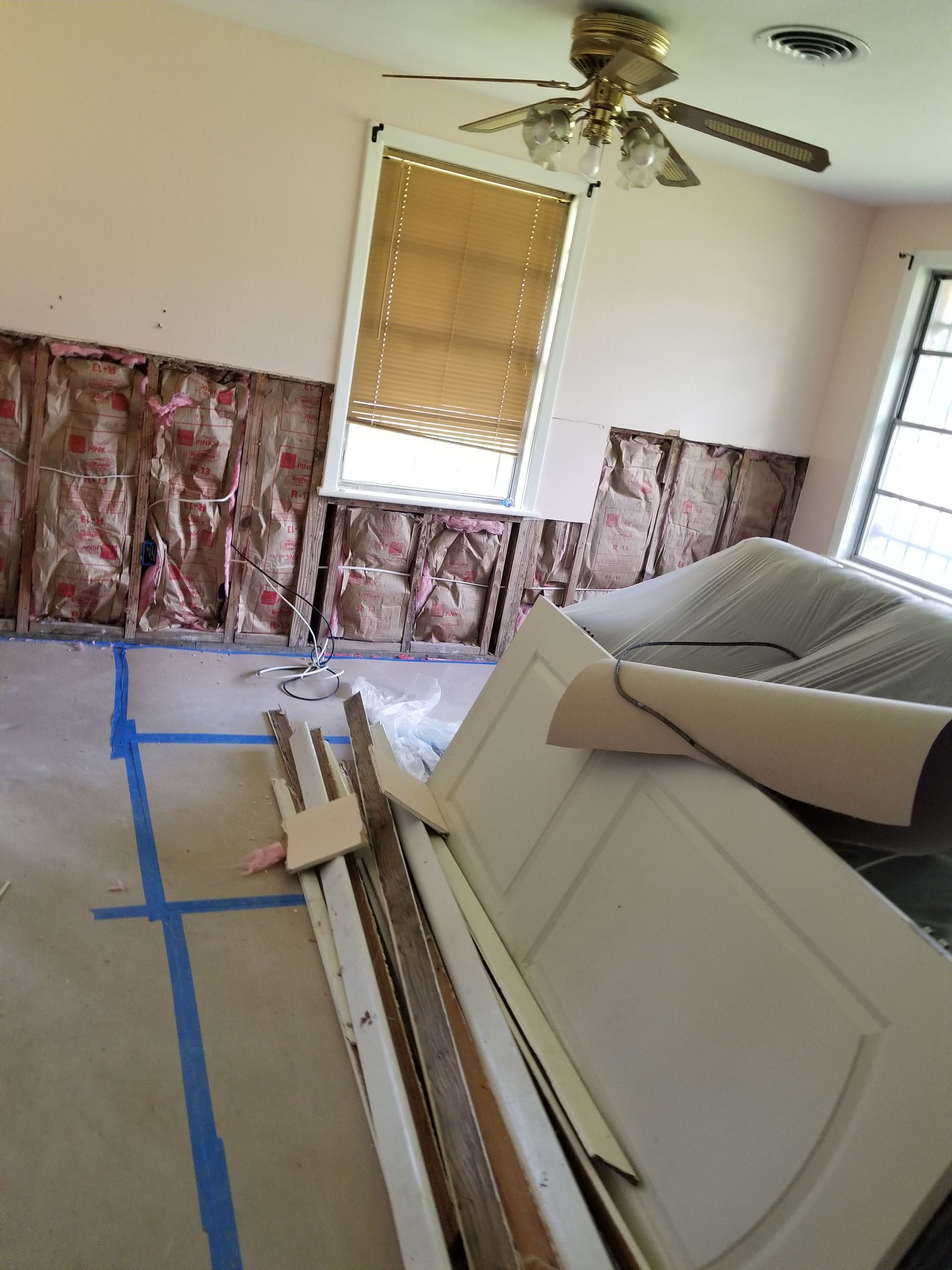
What Proper Residential Renovation Requires
Renovation work in older Metairie homes often surfaces conditions that were not visible before demolition began—undersized electrical circuits behind walls built before modern load requirements, cast-iron drain lines that have deteriorated over decades, or sub-floor conditions beneath tile that indicate prior water intrusion. A contractor who manages the full scope rather than a single trade is positioned to respond to those findings without stopping the project while the homeowner coordinates a separate repair. Show-Me Quality Construction builds the sequencing for these discoveries into how projects are scoped, so structural and mechanical findings are addressed within the same project rather than treated as separate calls.
Once renovation work is completed, the visible changes are straightforward to evaluate: cabinetry is level, tile grout lines are consistent, fixtures are plumb, and transitions between materials meet cleanly without gaps or misalignment. Less visible but equally important is that structural changes pass inspection and mechanical updates meet current code, which is confirmed through the permit-close process before the project is considered complete.
Not every renovation requires a permit, but changes to load-bearing walls, electrical panel work, and plumbing relocation typically do in Louisiana. Show-Me Quality Construction determines permit requirements at the consultation stage so the project scope reflects the actual regulatory path rather than discovering mid-project that work needs to stop for an application. This affects sequencing, timeline, and what can be done in what order.
Answers About How the Work Gets Done
Residential renovations in Metairie involve decisions about sequencing, permitting, and material selection that affect how the finished space looks and how long it holds up. The questions below address the construction process and what to expect at each stage.
How is the renovation scope determined at the initial consultation?
The on-site consultation identifies which areas need work, what finishes and materials are desired, whether structural changes are involved, and what permit applications will be required before construction begins. That information drives the project plan and sequencing.
What happens when demolition reveals conditions not visible before work started?
Older slab construction common in Metairie's mid-century housing stock sometimes conceals deteriorated drain lines or undersized wiring; Show-Me Quality Construction manages those findings within the project scope rather than stopping work and requiring the homeowner to arrange separate contractors.
Why does the sequencing of renovation trades matter?
Electrical rough-in must be completed and inspected before insulation or drywall is installed; plumbing rough-in follows a similar sequence. Running these out of order requires rework that adds time and cost, which is why a single builder coordinating all trades maintains the correct sequence from the start.
How do you know the finished renovation meets current building code?
Permitted work is inspected by the local building authority at specified stages and at final close, which confirms that structural, electrical, and plumbing work meets code requirements. That inspection record is part of the project documentation when the permit is closed.
What maintenance should you perform after a kitchen or bathroom renovation to protect the finished work?
Grout lines in tile installations should be resealed every one to two years depending on use; caulk joints at tub surrounds and countertop edges should be inspected annually and replaced when cracking or separation appears, as these are the most common points where water intrusion begins in renovated bathrooms.
Show-Me Quality Construction, LLC also handles residential renovations in Kenner, Marrero, Estelle, Destrehan, and Luling. To move forward, request an on-site meeting where the builder can evaluate the current condition of the spaces involved and outline a realistic project plan.
